
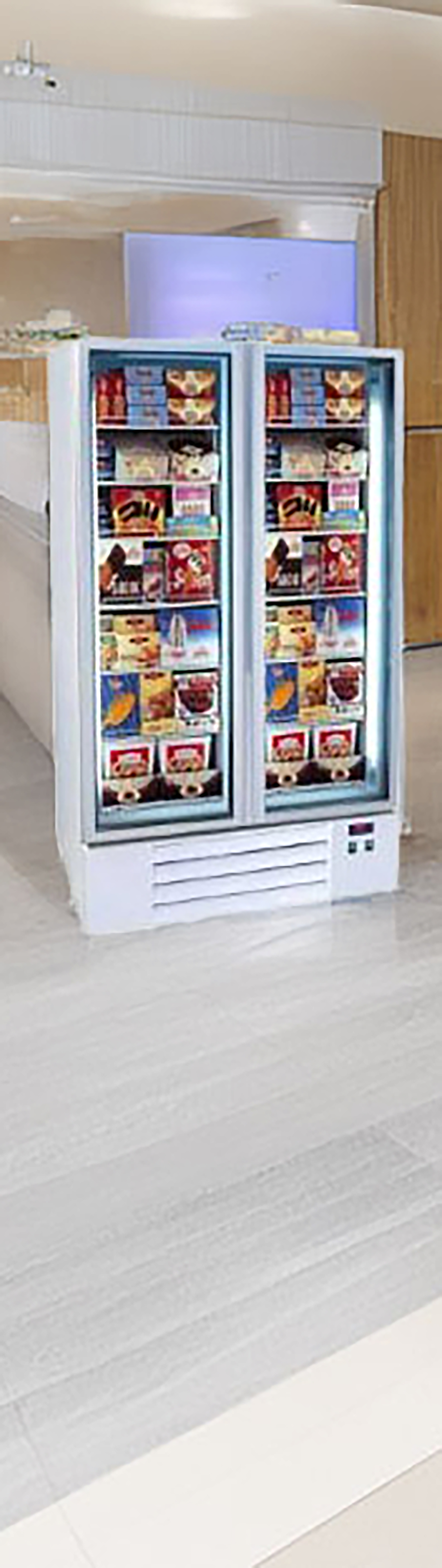
The commercial refrigerator industry in India (often referred to as the commercial refrigeration equipment market) is a rapidly growing sector, driven by the expansion of the food service industry, retail, hospitality (HoReCa – Hotels, Restaurants, and Cafes), quick-service restaurants (QSRs), cloud kitchens, supermarkets, pharmaceuticals, and cold chain logistics.
This segment focuses on specialized equipment like reach-in refrigerators, display coolers (visi coolers), deep freezers, walk-in coolers, under-counter units, beverage coolers, and cold rooms—distinct from household refrigerators.
Market Size and Growth
Recent reports show varying estimates due to differences in scope (e.g., equipment types or inclusion of related cooling solutions), but the market is consistently expanding:
In 2024, the market was valued at approximately USD 2.19 billion (Grand View Research).
It is projected to reach USD 3.87 billion by 2033, growing at a CAGR of 6.4% from 2025–2033.
Other forecasts include a CAGR of around 3.3% to reach USD 3.80 billion by 2033 (IMARC Group), or higher growth in sub-segments like commercial applications within the broader refrigerator market (e.g., 10.99% CAGR in some analyses tied to HoReCa and retail boom).
Growth is fueled by:
Rising urbanization and disposable incomes.
Boom in organized retail, QSRs (e.g., chains like Domino’s, McDonald’s), cafes, and food delivery/cloud kitchens.
Expansion of cold chain infrastructure for perishables, pharmaceuticals (vaccines, medicines), and exports.
Government initiatives like the PLI scheme for white goods, which boosts domestic manufacturing.
Stricter food safety regulations and demand for energy-efficient, eco-friendly (low-GWP refrigerants) equipment.
The sector is expected to see strong demand in metros and Tier-1/2 cities, with South and West India leading due to retail and pharma hubs.
Key Trends
Shift toward energy-efficient and smart refrigeration (IoT monitoring, AI compressors) amid rising energy costs and BEE (Bureau of Energy Efficiency) standards.
Adoption of natural/low-GWP refrigerants (e.g., propane, CO2) due to environmental regulations.
Increasing use in healthcare (calibrated storage for vaccines/blood banks) and modern retail (display units).
Post-pandemic recovery has accelerated demand in food retail and hospitality.
Major Players
Key manufacturers and brands active in India’s commercial refrigeration space include:
Blue Star Limited — A domestic leader in commercial refrigeration and HVAC.
Voltas Limited (Tata Group) — Strong presence in cooling solutions.
Western Refrigeration — One of India’s largest manufacturers, with high-capacity production for visi coolers, deep freezers, etc.
Carrier — Global player with significant India operations.
Others: Godrej, Haier, Rockwell Industries, Ice Make Refrigeration, and international firms like True Manufacturing or Imbera (via partnerships).
Domestic players benefit from local manufacturing advantages, while globals focus on technology and premium segments.
Overall, the industry remains promising through the late 2020s and beyond, supported by India’s economic growth, retail modernization, and focus on food security/cold chain development. For the most precise/current data, consulting specialized reports (e.g., from Grand View Research or IMARC) is recommended, as estimates can vary by exact definitions.3.5sFast75 sourcesProduct videos can really help sales for commercial refrigerators ?
Yes, product videos can significantly help boost sales for commercial refrigerators, especially in a competitive market like India’s growing commercial refrigeration sector (HoReCa, retail, cloud kitchens, pharma cold storage, etc.).
While commercial refrigeration often involves B2B sales (dealers, restaurant owners, hotel chains, supermarkets), videos are highly effective across both B2B and B2C channels. They address key buyer pain points like understanding features, visualizing real-world use, and building trust in durable, energy-efficient equipment.
Why Product Videos Drive Sales
Higher Engagement and Conversion Rates — Videos showcase how the refrigerator performs (e.g., even cooling, rapid freezing, easy cleaning, adjustable shelves, energy-saving modes). Studies show that adding product videos can increase conversions by 64–80% on e-commerce platforms, with viewers being 73% more likely to purchase after watching one.
Better Product Understanding — Commercial fridges have technical specs (capacity in liters, temperature range, refrigerant type, BEE star rating, door types). A demo video explains these far better than text or static images, reducing buyer hesitation and returns.
Build Trust and Credibility — Real footage of the unit in a restaurant kitchen, supermarket display, or pharma storage, plus testimonials from users (e.g., a QSR chain owner praising reliability during peak hours), reassures buyers. In B2B, process-focused demos (step-by-step features) outperform simple outcome videos.
Faster Sales Cycle — Videos answer FAQs upfront (installation, maintenance, power consumption), warming up leads before a sales call or site visit. B2B companies using video demos report accelerated processes and higher qualified leads.
SEO and Visibility Boost — Videos on YouTube, your website, or platforms like IndiaMART/Justdial improve search rankings and keep visitors longer (up to 340% longer sessions in some e-commerce cases).
Social Proof and Virality — Short clips on Instagram Reels, LinkedIn, or YouTube Shorts (e.g., “How this visi cooler keeps beverages chilled in Delhi summers”) can go viral in food/retail communities, driving inquiries.
In India specifically, with rising e-commerce for B2B (via platforms like IndiaMART, TradeIndia) and digital adoption in HoReCa, videos align well—similar to how appliance brands use demos for consumer fridges/freezers.
Recommended Video Types for Commercial Refrigerators
Product Demo/Overview (1–3 min): Unboxing, key features, interior tour, loading capacity demo.
In-Use/Installation : Real placement in a cafe, hotel, or shop; temperature tests with food/beverages.
Comparison : Vs. competitors (e.g., energy savings, noise levels).
Customer Testimonials/Case Studies : Restaurant owners sharing ROI (e.g., reduced spoilage).
Explainer/How-To : Maintenance tips, cleaning, or energy-efficient usage.
Short-Form : 15–60 sec Reels for social media traction.
Brands like Blue Star, Voltas, or Western Refrigeration already use videos effectively on their sites/YouTube for similar impact.
Overall, investing in high-quality product videos (even simple smartphone-shot ones initially) offers strong ROI—many marketers report video directly increases sales, with 80%+ agreeing it boosts results. In a market growing at 6–10% CAGR, videos help differentiate your offerings and close deals faster. If you’re selling or marketing commercial fridges, start with 3–5 targeted videos and track views → inquiries → sales.
We are Experts in using video and ai to promote manufacturers, brands, drive sales, generate leads, increase engagement. We work with small & large companies, advertising & PR agencies.
Call Us Today : 7042111335, Email : info@cutsncamera.in,
http://www.cutsncamera.in