In auto parts manufacturing, casting is a key process where molten metal is poured into a mold to form complex shapes. The three most common metals used are iron (primarily cast iron like gray iron or ductile iron), aluminum (and its alloys), and steel (including carbon or alloy steels). Each offers distinct advantages in terms of properties, cost, weight, strength, and applications, making them suitable for different automotive components.
Iron Casting (Primarily Cast Iron)
Iron casting, especially gray iron and ductile iron, remains widely used for durable, high-volume parts that need good vibration damping, wear resistance, and thermal stability.
Common Processes — Sand casting (most common for large parts), sometimes investment or permanent mold.
Key Properties — High compressive strength, excellent machinability, good heat resistance, but heavier and more prone to corrosion than alternatives.
Common Auto Parts — Engine blocks, cylinder heads, brake rotors/discs, brake calipers, exhaust manifolds, differential housings, bearing caps, suspension components like brackets.
Advantages in Automotive — Cost-effective for heavy-duty parts, absorbs vibrations well (reduces noise), withstands high temperatures.
Drawbacks — Significantly heavier than aluminum, leading to reduced fuel efficiency; being phased out in some lightweighting efforts.
Aluminum Casting
Aluminum casting dominates modern automotive manufacturing for weight reduction, improving fuel efficiency and performance (especially in EVs and hybrids). High-pressure die casting is particularly prevalent.
Common Processes — High-pressure die casting (HPDC, most common for precision parts), permanent mold, sand casting, squeeze casting, or low-pressure die casting.
Key Properties — Lightweight (about 1/3 the density of iron/steel), excellent corrosion resistance, good thermal conductivity, high strength-to-weight ratio.
Common Auto Parts — Engine blocks and cylinder heads (in many modern vehicles), transmission housings, wheels, suspension components (e.g., control arms, knuckles), brake components, EV battery/motor housings, chassis brackets, intake manifolds.
Advantages in Automotive — Enables significant weight savings (better mileage and handling), superior heat dissipation, complex shapes with thin walls.
Drawbacks — Lower melting point limits extreme high-heat applications, generally higher material cost than iron, though process efficiency offsets this in high-volume production.
Steel Casting
Steel casting is used where exceptional strength, toughness, and impact resistance are required, often for structural or high-stress parts. It’s less common than iron or aluminum in mass-market vehicles but critical in heavy-duty or specialized applications.
Common Processes — Sand casting, investment casting (for precision), sometimes lost-wax for intricate parts.
Key Properties — Very high tensile strength and toughness, good ductility, weldable, but heavier and more prone to rust unless alloyed/stainless.
Common Auto Parts — Steering knuckles, crankshafts (sometimes), heavy-duty brackets, transmission gears/components, structural frames in trucks/commercial vehicles, exhaust system parts, some suspension links.
Advantages in Automotive — Superior strength for load-bearing or crash-critical parts, durable under high stress/impact.
Drawbacks — Heavier than aluminum, higher cost and processing complexity, often replaced by forging or aluminum in passenger cars for weight reasons.
manufacturing units in the auto parts sector—especially those involved in iron casting, aluminum casting, and steel casting—should definitely invest in corporate films (also called corporate videos, company profile videos, or facility showcase films). In a highly competitive B2B industry like automotive components, where buyers (OEMs, Tier-1 suppliers, exporters) prioritize trust, technical capability, quality consistency, and scale, a well-produced corporate film is one of the most effective tools to differentiate, build credibility, and drive business growth.
Here’s why they are particularly valuable for casting/auto parts manufacturers, along with practical benefits and how they translate to increased business:
Key Benefits for Auto Parts Casting Units
Showcases Complex Processes Visually
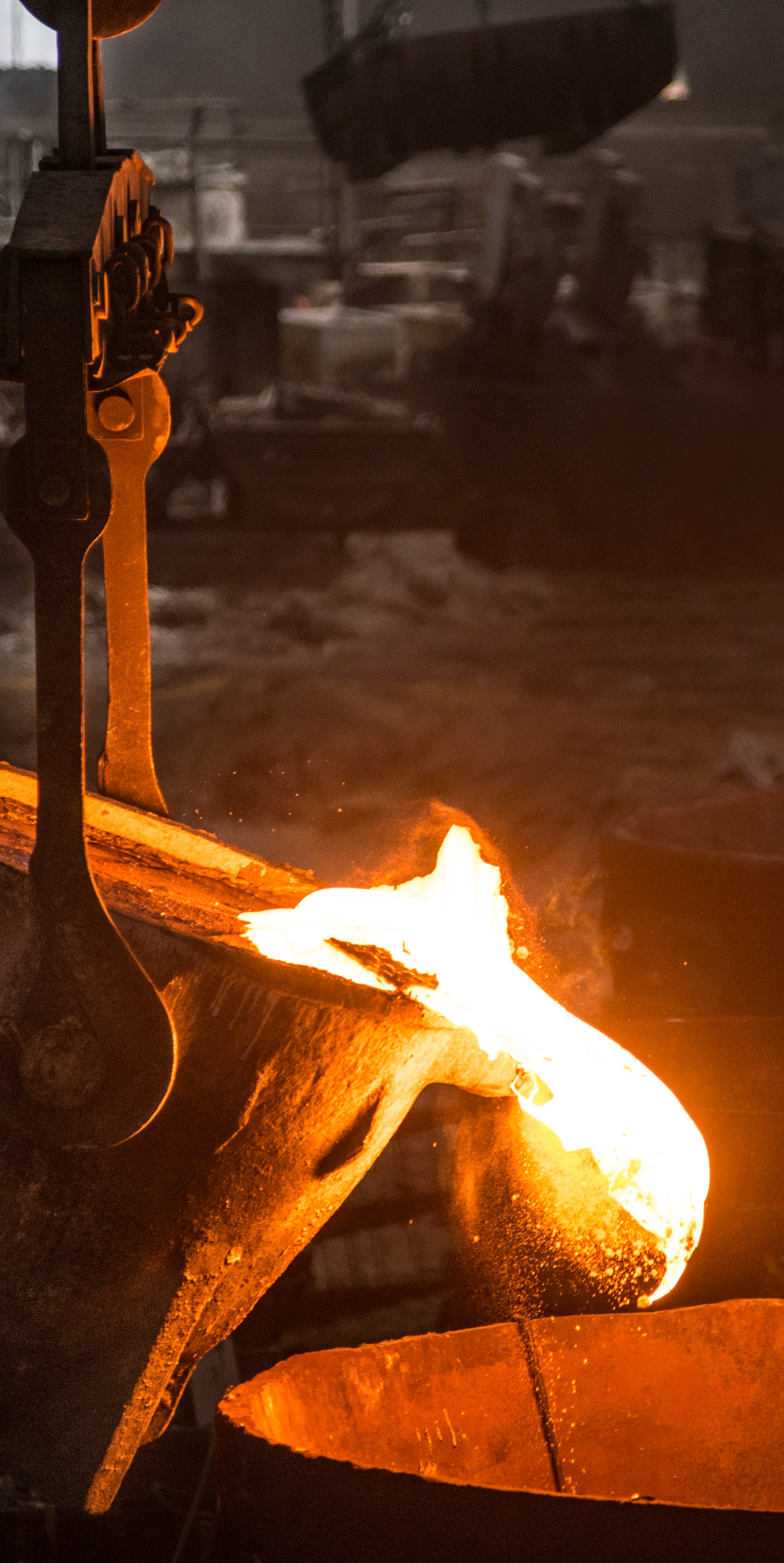
Casting involves intricate steps (melting, mold preparation, pouring, fettling, machining, quality checks). A film can demonstrate your expertise in gray/ductile iron, high-pressure aluminum die casting, or precision steel investment casting far better than photos or brochures. Viewers see molten metal flow, automated lines, CNC machining, and testing—making technical capabilities tangible and impressive.
Builds Trust and Credibility
In B2B, especially with international clients (e.g., automotive giants in Europe, US, or Japan), buyers want proof of infrastructure, certifications (IATF 16949, ISO), clean/organized facilities, skilled workforce, and safety standards. A corporate film walking through your foundry, showing modern furnaces, spectrometers, and defect-free parts reassures them you’re a reliable partner, reducing perceived risk.
Attracts New Clients and Increases Lead Generation
Embed the film on your website, LinkedIn, YouTube channel, or share via email/WhatsApp pitches. Many manufacturers report that a strong factory walkthrough video converts better than static content—prospects are more likely to request quotes after seeing real operations. It also helps in trade shows, RFQs, and supplier audits.
Supports Sales Teams
Sales engineers can use the film in meetings, Zoom calls, or presentations to OEMs. A 2–4 minute video replaces lengthy explanations, making pitches more engaging and memorable. Testimonials from existing clients (e.g., “We supply brake rotors to XYZ Auto”) add social proof.
Enhances Brand Positioning and Differentiation
In a crowded market (thousands of casting units in India, China, etc.), a professional film highlights what sets you apart—e.g., thin-wall aluminum capability, zero-defect steel castings, sustainable practices, or high-volume iron production. It positions you as a premium, forward-thinking supplier rather than a commodity player.
Improves Online Visibility and SEO
Videos rank well on Google and YouTube. Search terms like “aluminum die casting manufacturer India” or “automotive iron casting process” often lead to video results. Optimized titles, descriptions, and tags drive organic traffic and inquiries.
Cost-Effective Long-Term Marketing
Once produced (typical budget ₹3–15 lakhs depending on quality/length), the film has a long shelf life (3–5+ years with minor updates) and delivers repeated ROI through multiple channels.
Recommended Types of Corporate Films for Casting Units
Company Profile / Corporate Overview (2–5 min): Overall introduction, history, mission, team, certifications.
Facility Tour / Factory Walkthrough (3–6 min): Drone shots + ground-level view of melting, molding, pouring, heat treatment, machining, and packaging.
Process Explainer Videos: Focused on specific strengths (e.g., “High-Pressure Aluminum Die Casting at Our Plant” or “Ductile Iron Casting for Brake Components”).
Client Testimonials + Case Studies: Short clips from OEM partners.
Sustainability/ESG Focus: If you use recycled materials or energy-efficient furnaces—very relevant for modern auto buyers.
Real-World Examples in the Sector
Many casting and auto parts companies use such films successfully:
Indian manufacturers like Galaxy Metal Cast or ASK Automotive have professional corporate videos on YouTube showcasing investment castings, die casting lines, and automotive components.
Global players feature mega-casting (e.g., Volvo’s aluminum mega casting) or investment casting processes in promotional videos.
Heavy industry steel casting documentaries highlight scale and precision for large automotive/heavy-duty parts.
In short: In today’s digital-first B2B automotive supply chain, a high-quality corporate film isn’t a “nice-to-have”—it’s a competitive necessity. Units without one risk appearing outdated or less capable compared to peers who invest in visual storytelling. If you’re running or advising a casting unit in Delhi/NCR or elsewhere in India, starting with a professional facility tour video could yield quick wins in inquiries and orders.
Full Service Video Production ; Pre-Production. Creative Development & Discovery; Scripting & Storyboarding ; Production. Cinematography; Filming ; Post Production
CALL US NOW 7042111335
EMAIL NOW : INFO@CUTSNCAMERA.IN